Why Printed Event Apparel Still Matters in a Digital World
There is something about a well-made T-shirt that a digital campaign simply cannot replicate. When people attend a conference, a charity run, or a local festival, they walk away with more than memories. They carry a piece of the event with them, often on their backs. That is where printed event apparel comes into play. It turns a single day into a lasting impression, and it does so without relying on algorithms or retargeting pixels.
I have spent years working in custom apparel, helping organizations choose garments that actually get worn after the event ends. The difference between a shirt that ends up in a drawer and one that becomes a favorite is not just the design. It is the thoughtfulness behind the entire process, from fabric selection to ink choice. When done right, printed event apparel acts as a mobile billboard that people are happy to display.
Why physical branding still works
Digital ads have a short shelf life. A user scrolls past a sponsored post in under two seconds. An email campaign might get a twenty percent open rate on a good day. But a quality garment stays in rotation for months, sometimes years. Every time someone wears it, they broadcast the event name, the sponsor logo, or the cause to everyone they meet. That is repeated exposure without recurring cost.
There is also a psychological layer. When someone receives a piece of apparel at an event, they feel a sense of inclusion. It is a tangible token of participation. That feeling builds loyalty and connection in a way that a digital badge or a PDF certificate cannot match. Printed event apparel creates a shared identity among attendees. It turns a crowd into a community.
Choosing the right garment
Not all shirts are created equal. The fabric weight, the cut, and the color all influence how often the shirt gets worn. I have seen events spend a fortune on custom designs only to skimp on the blank garment. The result is a shirt that feels stiff, shrinks oddly, or pills after a few washes. That does not help the brand.
Here are a few things I keep in mind when advising clients on garment selection:
- Fabric composition matters. A 50/50 cotton-polyester blend usually holds color better and resists shrinking compared to 100 percent cotton. But 100 percent cotton ringspun garments offer a softer hand feel that many people prefer.
- Fit should match the audience. Unisex sizes can work for general crowds, but women-specific cuts often improve the wearing experience for half the attendees.
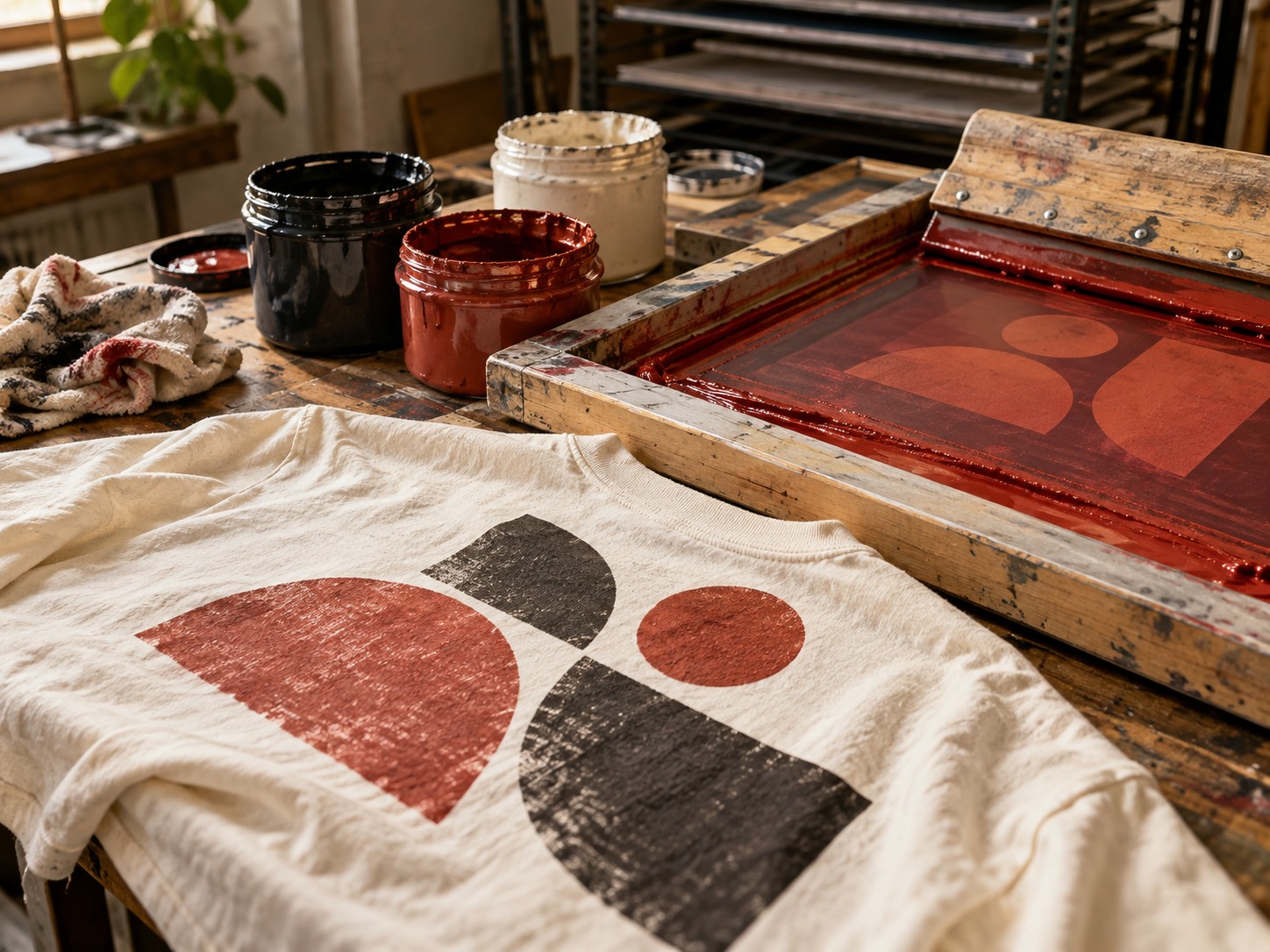
- Color choice affects visibility. Light colors show screen printed designs more vibrantly, while dark garments require an underbase that adds cost and can change the hand feel of the print.
I once worked with a nonprofit that ordered heavy, thick T-shirts for a summer outdoor event. The shirts were too warm to wear in the July heat, so most attendees never put them on. The organization learned the hard way that climate and activity level should influence fabric weight. A lighter tri-blend or a performance fabric would have served them better.
Screen printing versus embroidery
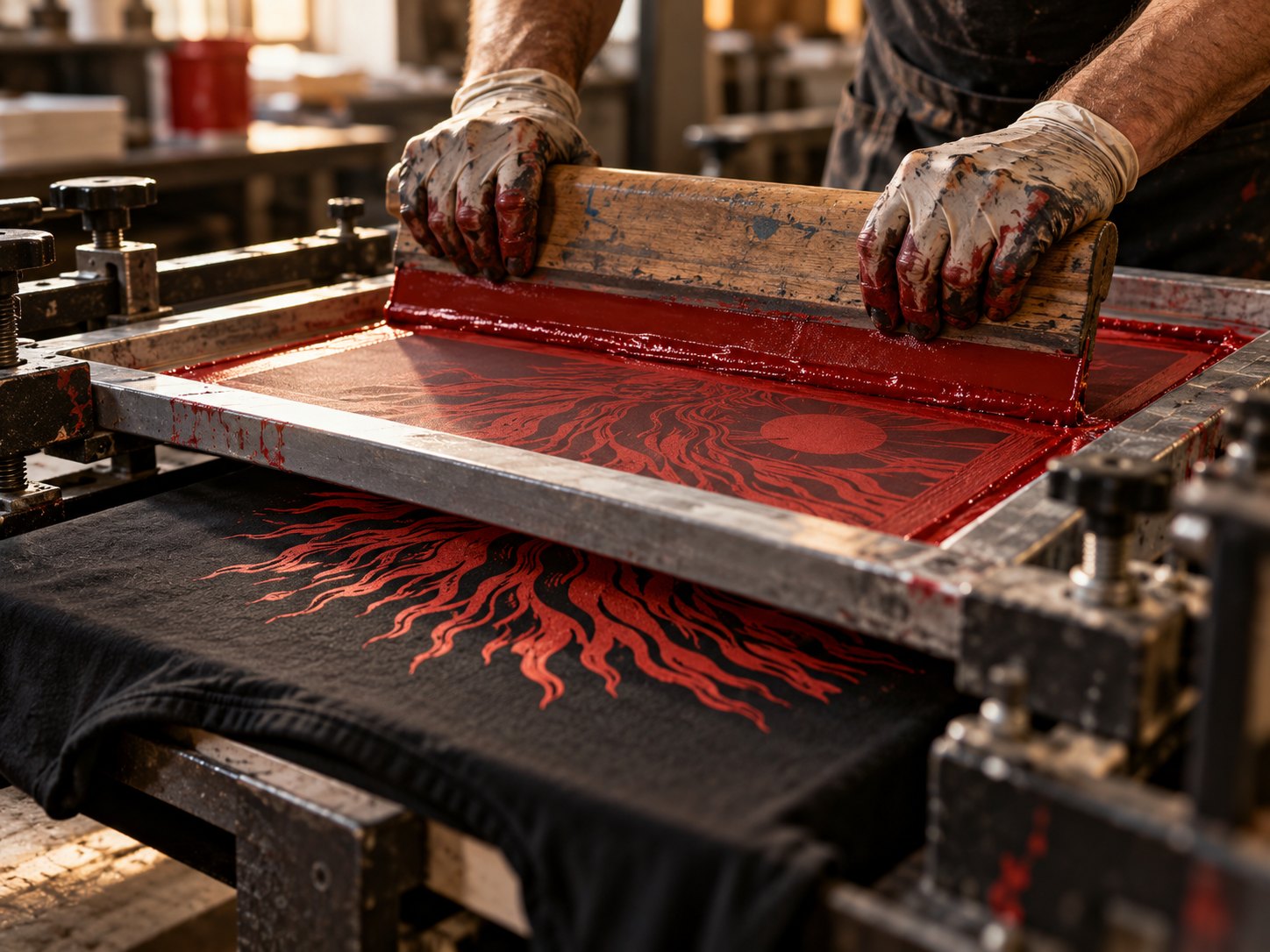
Screen printing remains the most cost-effective method for large quantities. It delivers bold, durable colors that hold up to frequent washing. For events that need hundreds or thousands of shirts, screen printing is usually the right call. But it has limits. Multicolor designs increase setup costs, and fine details can blur on certain fabrics.
Embroidery works better for hats, polos, and bags. It gives a premium look that suggests quality and permanence. However, embroidery cannot reproduce complex gradients or photographs. It also adds weight to the garment, which may not be ideal for lightweight activewear.
Some events split the difference. They order screen printed T-shirts for general attendees and offer embroidered polos for staff and volunteers. That approach balances budget with perceived value. It also gives the event a layered branding strategy. The staff look polished and professional, while the crowd sports bold, readable designs that encourage conversation.
Designing for the real world
A common mistake is treating event apparel like a miniature poster. Designers cram logos, sponsor names, dates, hashtags, and multiple graphics onto a single shirt. The result is visual noise. People do not want to wear a billboard. They want something that looks good and feels like a normal piece of clothing.
Here is a practical rule I follow: one focal point per side. The front should carry the event name or main logo. The back can hold a list of sponsors or a clever tagline. Keep the color palette limited to three or four colors. That keeps the design clean and the screen printing cost down. It also makes the shirt easier to pair with everyday outfits, which increases how often it gets worn.
I recall a local music festival that ran for ten years. In year one, they printed every sponsor logo on the back in tiny type. By year three, they switched to a single large logo on the front and a simple year mark on the sleeve. Attendees started wearing those shirts year-round. The festival gained free advertising for months after the event ended. Less really was more.
Practical considerations for ordering
Lead times matter more than most people expect. A rush order adds stress and often increases the chance of errors. I recommend planning at least four weeks ahead for screen printed orders and three weeks for embroidery. That allows time for artwork approval, proofing, production, and shipping. It also leaves a cushion if something goes wrong, such as a color mismatch or a sizing issue.
Speaking of sizing, it is smart to order a range that reflects your actual attendee demographics. A common breakdown is 10 percent small, 30 percent medium, 40 percent large, 15 percent XL, and 5 percent XXL. But that ratio shifts depending on the group. A marathon might skew toward smaller sizes, while a barbecue festival might need more XL and XXL. If you are unsure, survey a sample of past attendees or ask your apparel provider for guidance based on similar events.
When it comes to budget, remember that printed event apparel is an investment in brand longevity. A cheaper shirt may save twenty cents per unit, but if it falls apart after three washes, the branding disappears. A slightly more expensive garment that lasts a year delivers far more impressions per dollar spent. That is the math that matters.
Printed event apparel as a strategy
Organizations that treat printed event apparel as an afterthought miss the point. It is not just a giveaway. It is a deliberate piece of a larger marketing strategy. When attendees wear the shirt to the grocery store or to the gym, they become brand ambassadors. Their endorsement carries more weight than any paid advertisement because it comes from a real person, not a corporation.
I have seen small local businesses grow their customer base simply because people recognized the shirt from a community event. That kind of organic reach is hard to buy. It is earned through good design, good garment choices, and good execution.
Connect with us on Instagram.
Printed event apparel also serves as a time capsule. Years later, people find that old 5K shirt in their closet and remember the morning they ran for a cause. That emotional resonance keeps the brand alive long after the event details have faded. It is a rare marketing tool that combines utility, sentiment, and visibility in one package.
For those planning an upcoming gathering, whether it is a corporate retreat, a trade show, or a neighborhood block party, consider the long-term impact of what you put on people's backs. The right shirt can outlast the hashtag and the hype. It is a simple idea, but it works.
DSP Printing, located at 11611 Salinaz Dr Ste O, Garden Grove, CA 92843, USA, and reachable at +1 714-951-4919, provides custom screen printing and embroidered apparel services for businesses and organizations in the Garden Grove area.